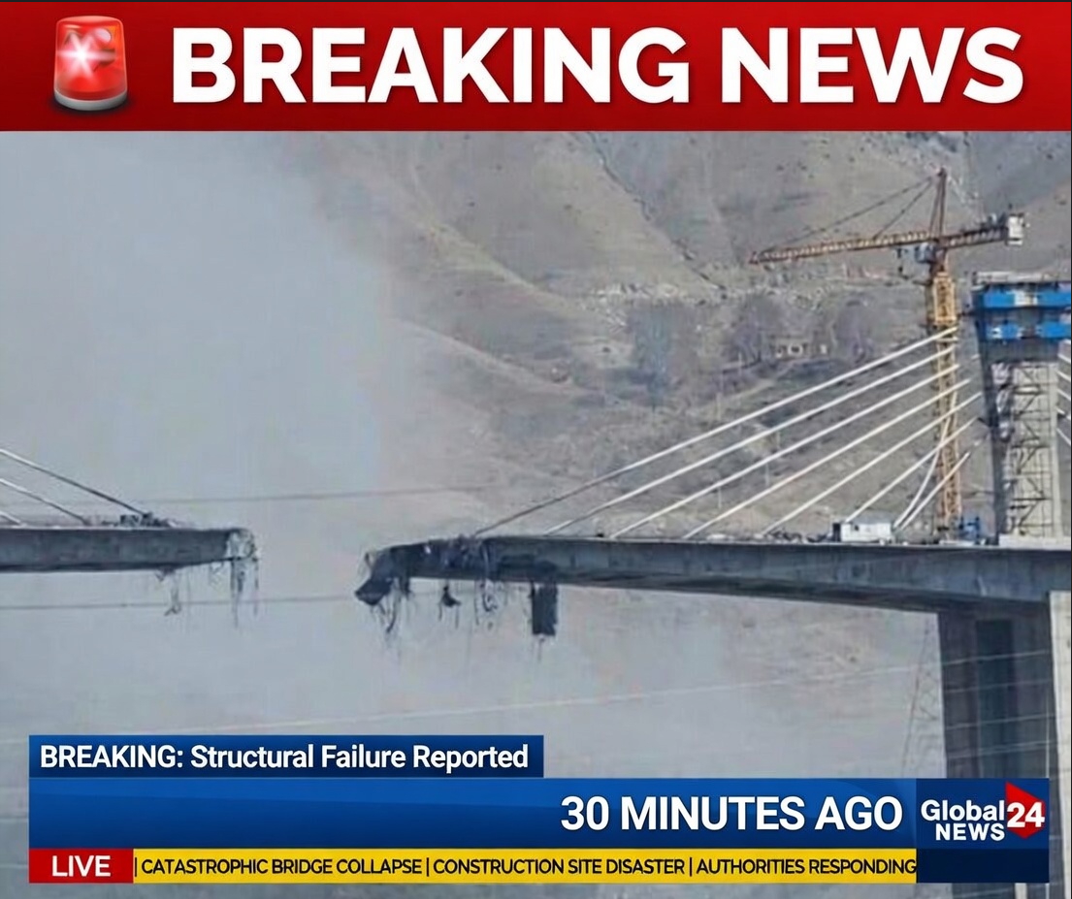
According to the report, the structure was being used by the Islamic Revolutionary Guard Corps (IRGC) to transport troops, missiles, and drones. The objective of the strike was to disrupt these activities by targeting a key supply route. Military analysts argue that such actions are consistent with modern warfare practices, where infrastructure serving a direct military purpose becomes a legitimate target—especially when efforts are made to limit civilian harm.
The strike aimed to achieve several strategic goals. By damaging the bridge, U.S. planners sought to prevent the movement of advanced weaponry, restrict troop deployments, and weaken Iran’s operational capabilities in the region. Targeting supply lines is widely recognized in military doctrine as an effective way to degrade an adversary’s ability to conduct operations without directly engaging large numbers of personnel.
Casualty reports from Iranian state media indicated that eight people were killed and around 100 were injured. While these losses have drawn criticism, experts note that the bridge itself was not in civilian use at the time, and its primary function was reportedly military. Footage from the scene showed partial collapse of the structure, suggesting that the strike successfully disrupted its use, at least temporarily.
The broader context of the strike is tied to ongoing concerns about Iran’s military activities. These include the development of ballistic missiles, expanded drone operations, and the use of dual-purpose infrastructure to support military efforts. Such actions have raised alarms among the United States and its allies, who view them as potential threats to regional stability and security.
International reaction to the strike has been mixed. Critics argue that any direct military action inside Iran risks escalating tensions and could lead to unintended civilian consequences. Some have questioned the legality of the strike, labeling it a potential violation of international norms. However, supporters maintain that the operation was carefully targeted and consistent with the laws of armed conflict, which allow strikes on military objectives while emphasizing the need to minimize civilian casualties.
Analysts suggest the strike may serve multiple purposes beyond its immediate tactical impact. It could act as a deterrent by demonstrating the ability to precisely target critical infrastructure. It may also provide leverage in diplomatic negotiations by limiting Iran’s military flexibility. Additionally, the operation highlights the growing role of precision strike capabilities in modern conflict.
Overall, the article portrays the incident as an example of the complex balance between military necessity and legal and ethical considerations. It underscores how modern warfare increasingly relies on targeted actions against infrastructure to weaken adversaries while attempting to avoid broader escalation and civilian harm.