Talks in Final Stage
While the news is likely to send positive signals through the economy, the president’s announcement didn’t include details on key red lines for Washington and Tehran, such as Iran’s nuclear enrichment program and stores of enriched uranium; the financial sanctions the US has placed on Iranian oil sales; or Iran’s assets frozen by the US Treasury Department. Bagheri’s comments suggested those issues could be kicked down the road, with negotiations to occur once fighting has stopped. “Whether, in later stages over the next 30 or 60 days, we discuss nuclear matters or other issues that may be agreed upon is a separate matter,” Mr. Bagheri said in comments reported by Iranian state media. “At this stage, our entire focus is on ending the war.”
Sticking Points Remain
Trump, Rubio, and others in the US administration have repeatedly stated that Iran cannot be allowed to be develop nuclear weapons or enrich uranium, and that any permanent deal would need to include the removal of Iran’s current uranium stores. Iran in turn has refused a full end to its enrichment program, and Supreme Leader Mujtaba Khamenei said in a rare public directive Wednesday that no enriched uranium can be allowed to leave the country. Leaders in Tehran have also said the lifting of sanctions and unfreezing of Iranian assets are prerequisites to any deal.
Section 1
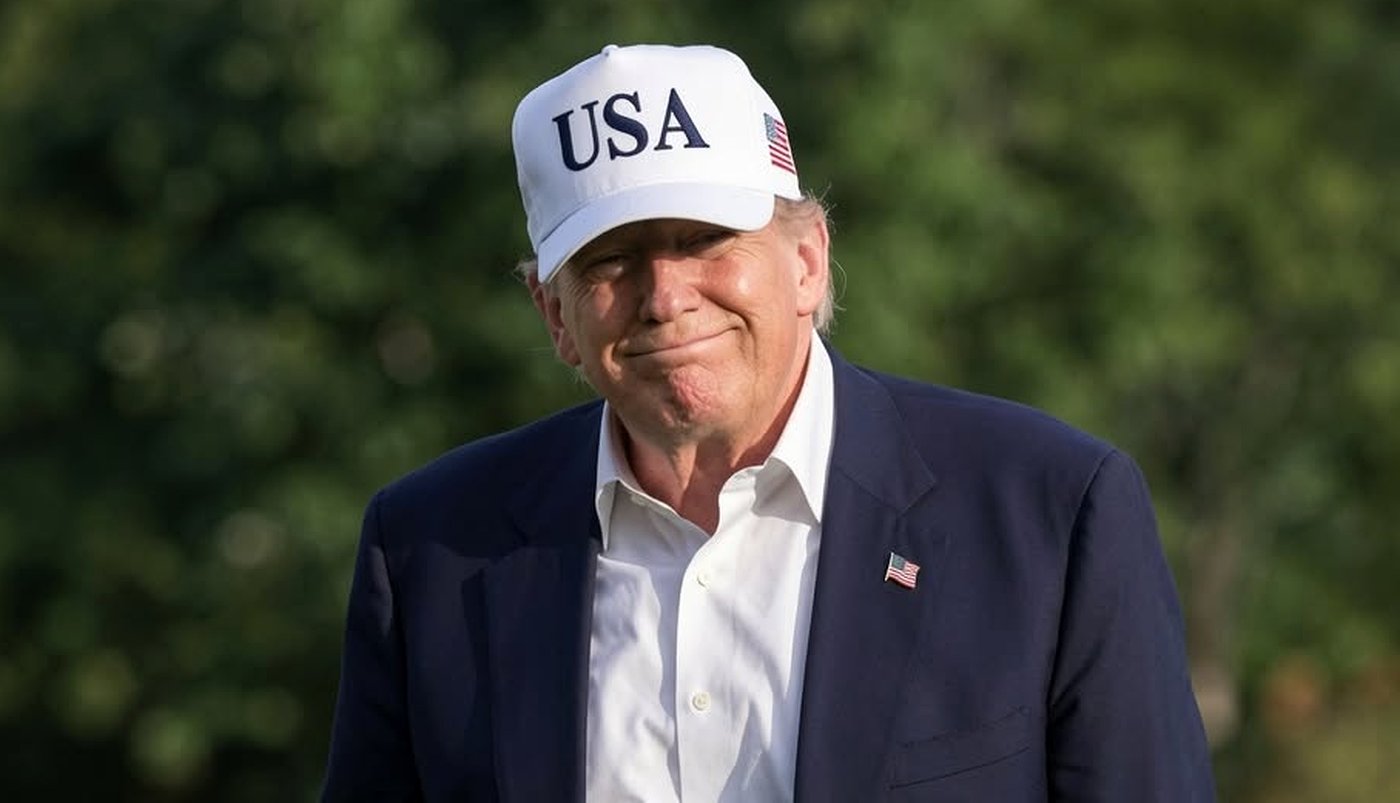
President Trump said Saturday evening an agreement with Iran that would set the framework for renewed peace talks and reopen the Strait of Hormuz would be announced shortly. In a Truth Social post on Sunday morning, however, the president appeared to tap the brakes, saying while negotiations were ongoing and “constructive” he did not want to “rush into a deal” and that time was on the US’ side.
https://twitter.com/x/status/2058286641890906256
The announcement from Trump on Saturday is the latest in a series of back-and-forth announcements that have swung between reports that a deal with Iran is close at hand and threats to renew US military action against the Islamic Republic. Iranian leaders have said any strikes by the US would be met with retaliatory violence throughout the Gulf region. Since the war began in late February, the Gulf region has borne the brunt of retaliatory attacks from Iran after the US and Israel began an initial round of airstrikes that killed long-time Iranian leader Ali Khamenei. Critical energy, military, and civilian infrastructure through the UAE, Qatar, and other Gulf countries have been struck.