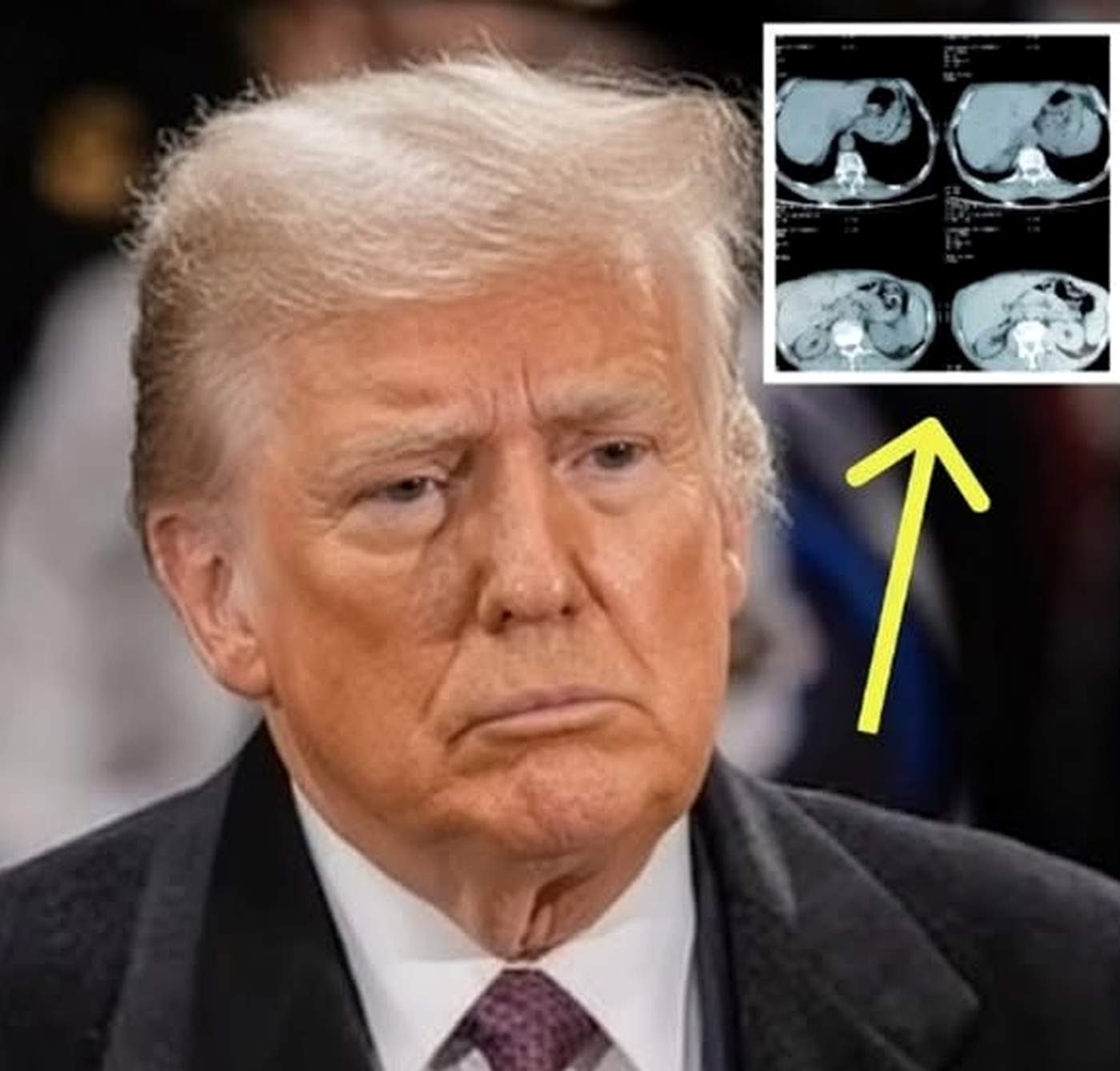
Aboard Air Force One, President Donald Trump recently addressed mounting questions regarding an MRI scan conducted during a health check-up in October 2025. Although the President enthusiastically characterized the results as “perfect” and “outstanding,” his initial inability to specify which part of his body had been imaged sparked significant media interest. The procedure took place at Walter Reed National Military Medical Center as part of what the White House described as an “expanded wellness evaluation,” designed to monitor the health of the President as he navigates a demanding schedule in his late 70s.
In response to the growing scrutiny, Dr
Sean Barbabella, Physician to the President, issued a formal memo in December 2025 to provide further clarity. The report specified that the advanced imaging focused on the cardiovascular system and the abdomen. According to the medical findings, both areas appeared “perfectly normal,” showing no signs of arterial narrowing, inflammation, clotting, or organ abnormalities. The medical team emphasized that such screenings are preventative and standard for individuals in the President’s age group, intended to ensure long-term physical readiness.
Despite these reassurances, the episode has reignited a fierce national debate over medical transparency for sitting world leaders. Critics argue that the initial lack of detail and the shifting descriptions of the visit—moving from a routine physical to an expanded evaluation—undermine public trust. Donald Trump has pushed back against these inquiries, often sparring with reporters while insisting his health remains exceptional. Supporters maintain that the questioning is politically motivated, pointing to the President’s high energy levels as evidence of his fitness. As the administration continues to resist calls for the release of raw imaging data, the tension between executive privacy and the public’s right to know remains unresolved. While the White House maintains that the President is in excellent condition to fulfill his duties, the ongoing scrutiny surrounding his health disclosures serves as a reminder of the unique pressures faced by aging executives in the current political landscape.