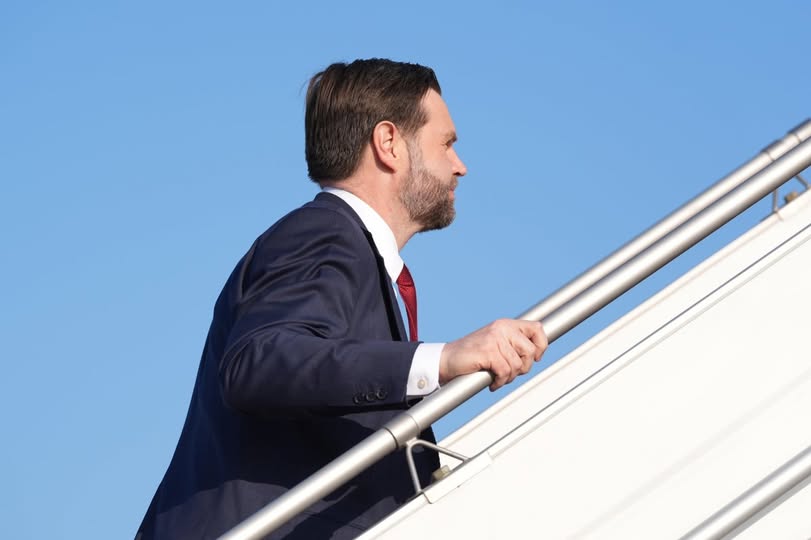
High-stakes negotiations between the United States and Iran in Islamabad ended without an agreement after 21 hours of intense discussions, highlighting deep divisions between the two sides. U.S. Vice President JD Vance, who led the American delegation, confirmed the outcome shortly before departing Pakistan, stating that Iran had refused to accept Washington’s terms.
Vance described the failure to reach a deal as “bad news,” particularly for Iran, emphasizing that the United States had sought a clear and binding commitment from Tehran to abandon any pursuit of nuclear weapons. According to him, the U.S. position goes beyond preventing weapon development, requiring Iran not to seek or acquire the tools necessary to build such weapons. This demand remains a central sticking point in negotiations and reflects Washington’s broader security concerns.
The talks marked the highest-level engagement between the two countries since the 1979 Islamic Revolution, underscoring their significance despite the lack of a breakthrough. Analysts noted that the presence of Vance, sent by President Donald Trump, demonstrated the seriousness with which the United States approached the negotiations. However, Vance’s departure does not necessarily signal the end of diplomatic efforts, as discussions could continue remotely or through intermediaries.
Key areas of disagreement include Iran’s nuclear ambitions and control over the strategically vital Strait of Hormuz. The United States has insisted on strict limitations, while Iran has resisted concessions that would limit its sovereignty or technological capabilities. Observers note that similar disagreements in past negotiations, particularly during the mid-2010s, took years to address.
Iranian officials downplayed the lack of immediate progress. A spokesperson for Iran’s Foreign Ministry, Esmaeil Baghaei, stated that no one had expected a comprehensive agreement to be reached in a single session. He expressed confidence that diplomatic contacts, including those facilitated by Pakistan and regional partners, would continue.
Reporting from Tehran, analysts indicated that the current round of talks is broader in scope than previous negotiations. While earlier discussions focused primarily on Iran’s nuclear program and its stockpile of enriched uranium, the latest talks also address regional security, maritime control, and broader geopolitical concerns. This expanded agenda has introduced additional complexities and points of contention.
Pakistan has played a key mediating role throughout the process. Foreign Minister Ishaq Dar urged both sides to maintain the ceasefire and continue working toward a durable peace. He expressed appreciation for the willingness of both the United States and Iran to engage in dialogue and acknowledged Pakistan’s efforts in facilitating the discussions.
Despite diplomatic efforts, mistrust remains a major obstacle. Analysts pointed out that Iran’s proposed framework did not include a full abandonment of its nuclear ambitions, while the U.S. demands extend even to limiting peaceful nuclear activities. This fundamental gap has made compromise difficult and continues to hinder progress.
The broader conflict has had devastating consequences. The war, which began on February 28 following military action by the United States and Israel against Iran, has expanded across the region. Iran responded with retaliatory strikes targeting Israel and Gulf countries hosting U.S. assets. The conflict has resulted in more than 2,000 deaths and widespread damage to both military and civilian infrastructure.
Efforts to prevent the war had previously been underway, with mediation led by Oman. According to mediators, a potential agreement had been “within reach” before hostilities escalated. The collapse of earlier diplomacy echoes the fate of the 2015 Iran Nuclear Deal, which was abandoned during Trump’s first term.
The conflict has also triggered a global energy crisis. Iran’s actions in the Strait of Hormuz disrupted a critical supply route through which roughly 20 percent of the world’s oil and gas exports pass. This disruption has had far-reaching effects on global markets and energy security.
Meanwhile, regional tensions remain high. Israeli strikes have continued in southern Lebanon, particularly targeting the group Hezbollah, with recent attacks in the Tyre district resulting in multiple casualties. These developments underscore the fragile nature of the ceasefire and the risk of further escalation.
Although the Islamabad talks did not produce an immediate agreement, diplomatic channels remain open. Both sides face pressure to find common ground, but significant differences over nuclear policy, regional influence, and security guarantees suggest that any resolution will require sustained and complex negotiations.