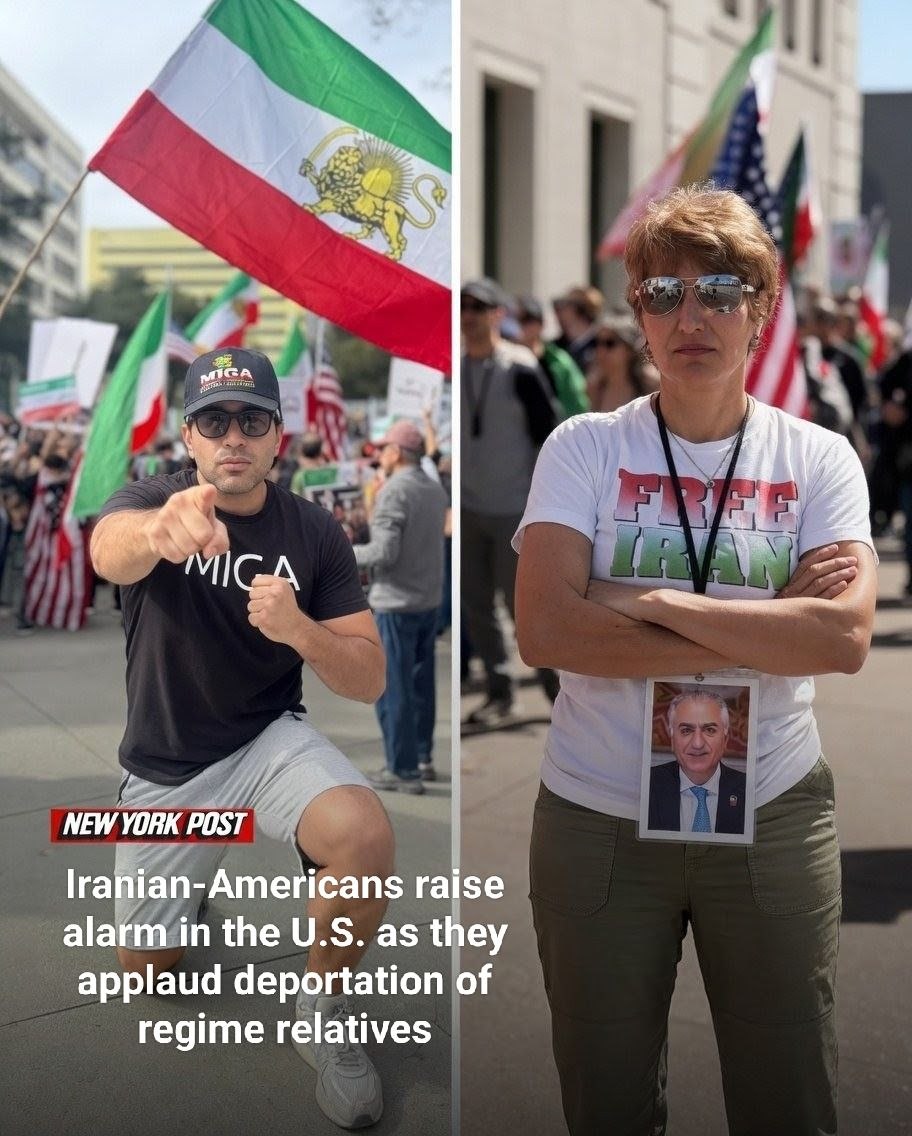
Recent deportations of Iranian nationals with alleged ties to the Islamic Republic have sparked strong reactions among activists, who argue the cases represent only a small portion of a broader issue. Iranian-born journalist and activist Shayan Khosravanifarahani praised Marco Rubio for revoking visas and initiating removals, claiming that individuals connected to the regime have long lived comfortably in the United States using wealth and influence tied to resources taken from the Iranian people.
One high-profile case involved Seyed Eissa Hashemi, an academic whose green card was revoked alongside those of his wife and son due to alleged family connections to Masoumeh Ebtekar, a controversial figure linked to the 1979 U.S. Embassy crisis in Tehran. Their arrest followed reports that they had been living a privileged lifestyle in California. Similar action was taken against relatives of Qasem Soleimani, including family members who had reportedly resided in the U.S. for years.
Khosravanifarahani stated that activists spent months gathering and sharing evidence with authorities, contributing to these enforcement actions. He further claimed that thousands of individuals with ties to the Iranian regime may still reside in the United States, raising concerns about potential national security risks.
These concerns were echoed by Iranian-American activist Morgan Mahdizadeh, who argued that such individuals could influence policy, access sensitive technologies, or promote regime narratives. She and others say they have warned about these risks for years, but feel their concerns were previously overlooked.
Activists emphasize the importance of distinguishing between ordinary members of the Iranian diaspora and those allegedly aligned with the regime. They also stress that ongoing enforcement and investigation are necessary, while expressing hope that increased attention will both protect U.S. interests and support the broader Iranian population.