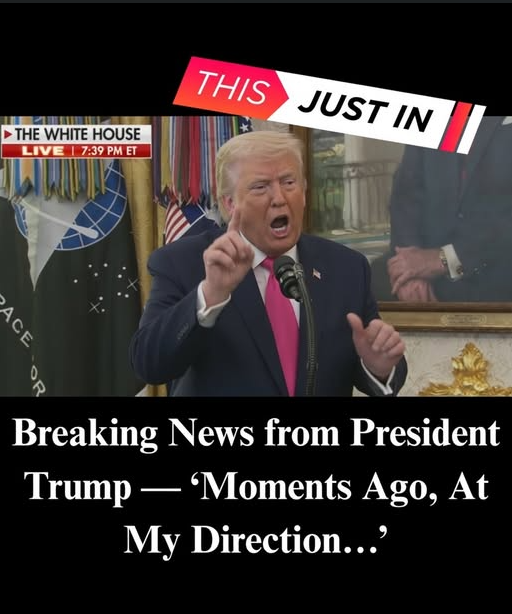
Donald Trump stated that the U.S. conflict with Iran is approaching its conclusion, signaling that key military objectives are nearly achieved. In a post on Truth Social, he indicated that the United States is considering winding down its military operations in the Middle East after making significant progress.
According to Trump, U.S. goals have included weakening Iran’s missile capabilities, dismantling its defense production systems, and neutralizing its naval and air forces. He also emphasized preventing Iran from developing nuclear weapons and ensuring the safety of allied nations. Trump claimed that these objectives are close to completion, portraying the campaign as highly successful.
A central issue moving forward is the security of the Strait of Hormuz, a vital global shipping route through which roughly 20% of the world’s oil supply passes. Trump argued that responsibility for protecting the strait should shift to allied nations that depend on it, rather than remaining primarily with the United States. While he said the U.S. would assist if requested, he maintained that such involvement should not be necessary once Iran’s threat is fully eliminated. He described safeguarding the strait as a relatively straightforward military task.
Trump highlighted the impact of Operation Epic Fury, launched on February 28, claiming it has significantly degraded Iran’s military strength. He asserted that Iran’s navy has effectively been eliminated and emphasized the superiority of U.S. military forces. Additionally, he said joint operations between the United States and Israel have weakened Iran’s naval, air, and air defense systems. Trump also claimed that Iran’s leadership structure has been severely disrupted, suggesting that multiple levels of leadership have been removed, leaving a vacuum of authority.
Despite these claims, tensions remain high in the region. Trump described Iran as “finished” from a military standpoint but acknowledged ongoing disruptions in the Strait of Hormuz that continue to affect global shipping. He called for greater involvement from allied nations, including the United Kingdom, France, Germany, Japan, and Canada, several of which have expressed willingness to help secure the route.
The conflict has also had significant economic consequences. Disruptions to shipping in the Strait of Hormuz have driven up global energy prices, with oil benchmarks rising sharply and U.S. gasoline prices nearing $4 per gallon. Broader instability has raised concerns about supply shortages and increased costs for consumers worldwide.
Escalation between Iran and Israel has further complicated the situation. Israel launched a major strike on Iran’s South Pars gas field—the largest in the world—prompting retaliatory attacks by Iran on energy infrastructure in countries such as Saudi Arabia, the United Arab Emirates, and Qatar. These developments have intensified fears about the stability of global energy markets.
Trump stated that Israel would refrain from additional strikes unless Iran targets U.S. allies such as Qatar. However, he warned that if such an attack occurs, the United States would respond with overwhelming force, including potential action against Iran’s key energy infrastructure. Overall, while Trump expressed confidence that military objectives are nearly met, the situation remains volatile, with ongoing risks to regional stability and the global economy.