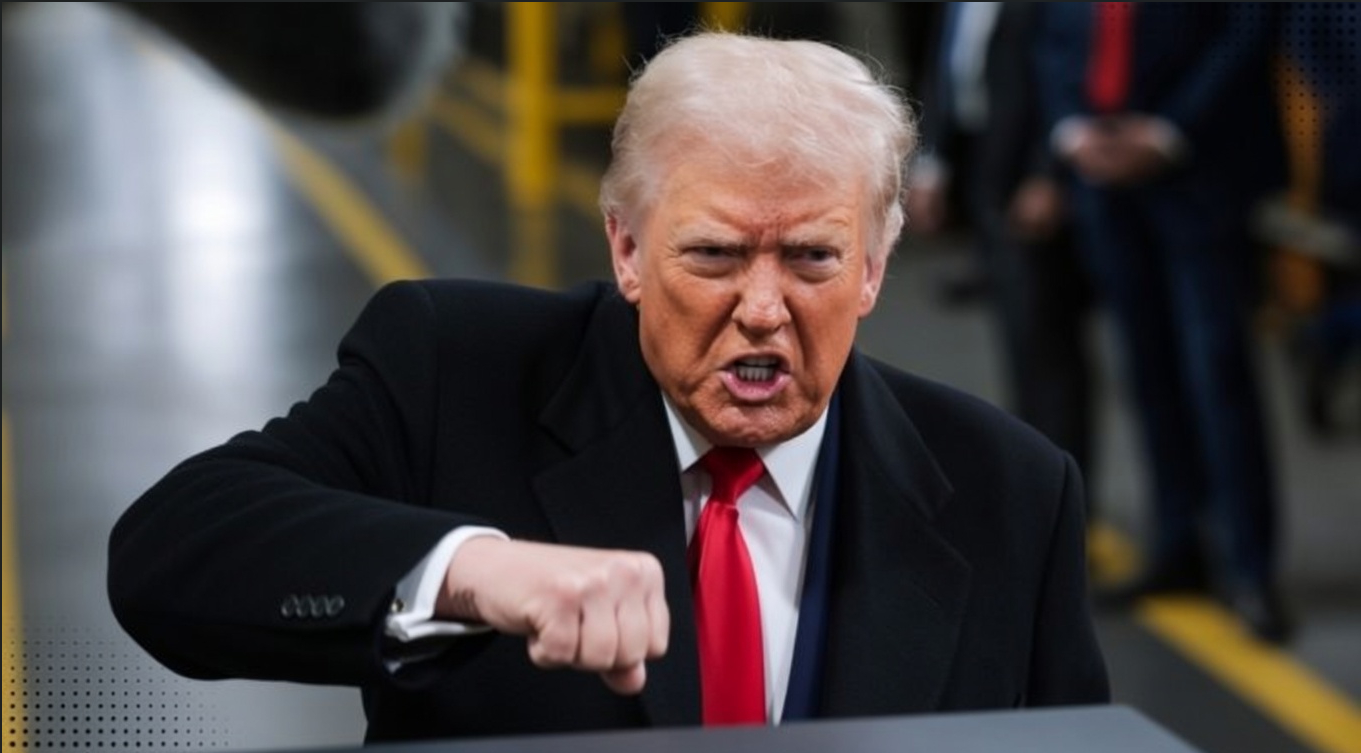
The anger that persisted after Donald Trump left office has gradually evolved from scattered frustration into a more organized and visible force. A rapidly growing online petition, nearing 100,000 signatures, has become a focal point for this sentiment. While it holds no legal authority, its significance lies in how it channels public emotion into a collective expression, highlighting the enduring divisions within the country.
For supporters, the petition represents a form of overdue accountability. It offers a way to voice dissatisfaction that they believe was never fully addressed during Trump’s presidency. Critics, however, dismiss it as political theater, arguing that it rehashes past conflicts without producing meaningful outcomes. Despite these differing perspectives, the petition’s growth signals that debates surrounding Trump’s time in office remain unresolved.
Created by Blackout The System, the petition cannot enforce action or influence formal political processes. Instead, its power is symbolic. Each signature reflects an individual stance, contributing to a broader narrative that continues to evolve beyond official investigations or elections. In today’s digital age, political engagement extends far beyond traditional mechanisms, allowing people to revisit and reshape interpretations of past leadership.
The petition’s importance lies less in its immediate impact and more in what it represents. Supporters see it as a moral record of dissent, preserving evidence that dissatisfaction persists. Critics warn that such efforts may deepen polarization, keeping the nation focused on past divisions instead of moving forward. Both views underscore the same reality: Trump remains a central figure in American political discourse, even outside of office.
As the petition grows, it shifts attention away from legal consequences and toward cultural and political meaning. It functions as a public ledger, reflecting how citizens interpret a controversial presidency. At the same time, it raises broader questions about digital activism—specifically, whether widespread symbolic participation can translate into meaningful engagement.
Ultimately, the petition is less about policy and more about narrative. It reflects an ongoing struggle over how Trump’s legacy is defined and remembered. Whether seen as a call for accountability or a sign of deepening division, it illustrates a nation still grappling with unresolved tensions and competing interpretations of recent history.