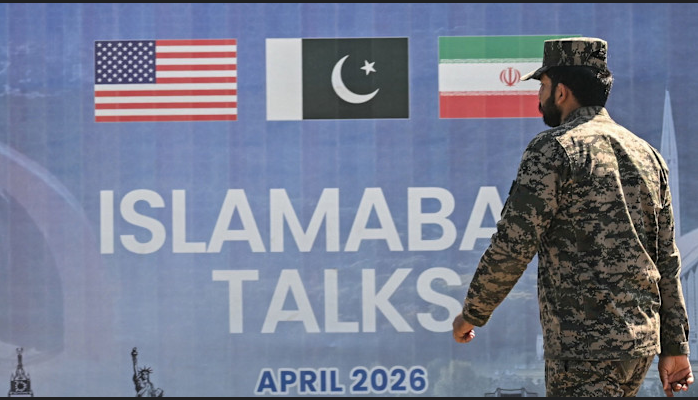
A renewed diplomatic effort is underway to revive talks between the United States and Iran following a fragile two-week ceasefire agreed after nearly six weeks of intense conflict in the U.S.-Israeli war on Iran. The truce, set to expire on April 22, has opened a narrow window for negotiations to end a war that has killed more than 4,000 people across the Middle East, most of them in Iran and Lebanon.
The first round of high-level talks took place in Islamabad on April 11–12, marking one of the most significant engagements between the two sides in decades. Mediated by Pakistan and led by JD Vance for the U.S. and Mohammad Bagher Ghalibaf for Iran, the discussions lasted over 20 hours. Key issues included Iran’s nuclear programme, sanctions relief, frozen assets, and control of the Strait of Hormuz. However, the talks ended without an agreement, with both sides expressing mistrust.
Despite the lack of progress, there are signs a second round of negotiations could happen soon, possibly again in Islamabad. Donald Trump has suggested talks may resume within days and expressed optimism that the war is nearing an end. Meanwhile, Pakistani Prime Minister Shehbaz Sharif is seeking regional support through diplomatic visits, while Recep Tayyip Erdoğan has voiced cautious hope for continued dialogue.
Major obstacles remain. The United States and Israel are pushing for strict limits on Iran’s nuclear activities, while Iran insists its programme is for civilian purposes under the Treaty on the Non-Proliferation of Nuclear Weapons. Tensions also persist over control of the Strait of Hormuz, a critical global energy route, and over ongoing Israeli attacks on Hezbollah in Lebanon, which Iran views as part of the broader conflict.
Overall, while diplomatic efforts are intensifying, deep disagreements and ongoing military actions continue to threaten the chances of a lasting resolution.