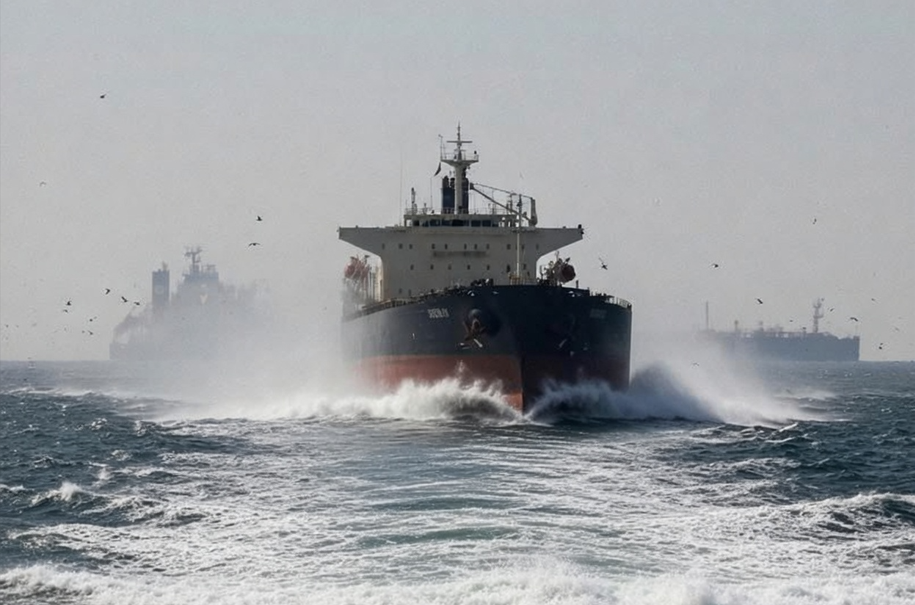
On day 46 of the escalating conflict between the United States and Iran, tensions continue to rise across military, political, and economic fronts. The U.S., under President Donald Trump, is actively enforcing a naval blockade in the Strait of Hormuz, prompting Iran to accuse Washington of “piracy” and declare the move illegal. Iranian armed forces warned that targeting its ports could destabilize shipping throughout the Gulf, while the Islamic Revolutionary Guard Corps signaled potential escalation, claiming it still has “unused capabilities.”
Diplomatic efforts are ongoing but fragile. Qatar has called for mediation, and Pakistan reported that a ceasefire is “holding” despite failed talks. Trump stated that Iran appears eager to negotiate a deal, though details remain unclear. Meanwhile, Russia, led by Vladimir Putin, has withdrawn personnel from Iran’s nuclear facility and reiterated its offer to accept Iran’s enriched uranium as part of a possible agreement.
Global economic concerns are mounting. The United Nations warned that instability in the Strait of Hormuz has stranded around 20,000 vessels, disrupting supply chains and pushing oil prices higher. Despite the blockade, a sanctioned Chinese tanker reportedly passed through the strait, highlighting enforcement challenges.
Regionally, violence is intensifying in Lebanon. Israel has expanded military operations in the south, while Hezbollah, led by Naim Qassem, has increased rocket and drone attacks and رفض negotiations. Civilian casualties continue to rise, and international criticism is growing.
Domestically, Trump faces pressure from Democrats led by Chuck Schumer to limit his war powers. Protests have also erupted in New York City, leading to multiple arrests. As the conflict deepens, fears of wider regional war and prolonged economic disruption remain high.